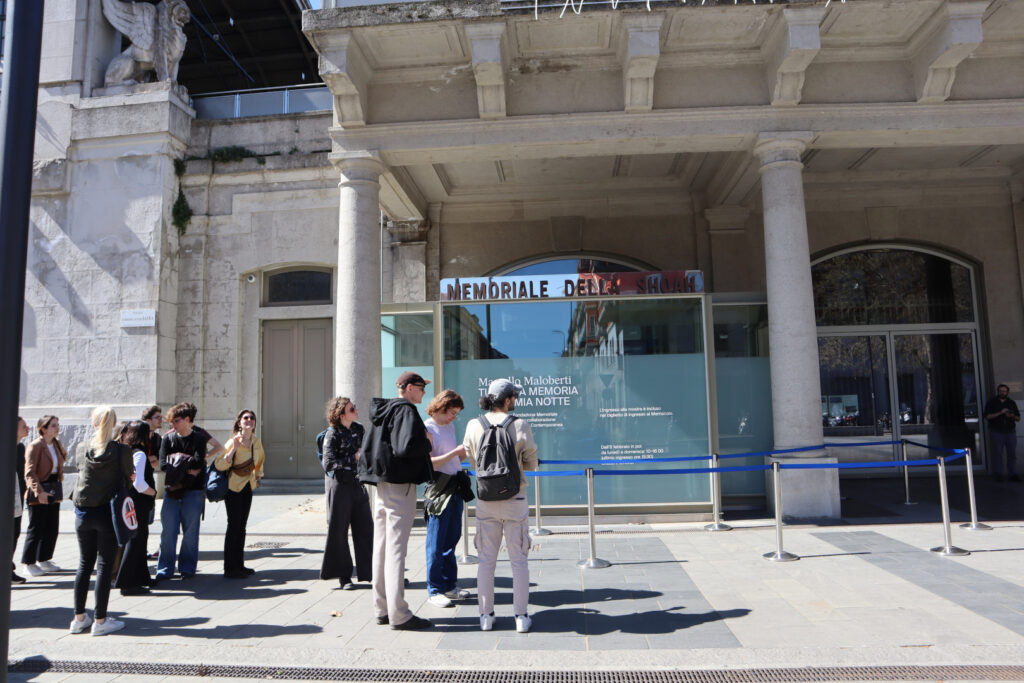
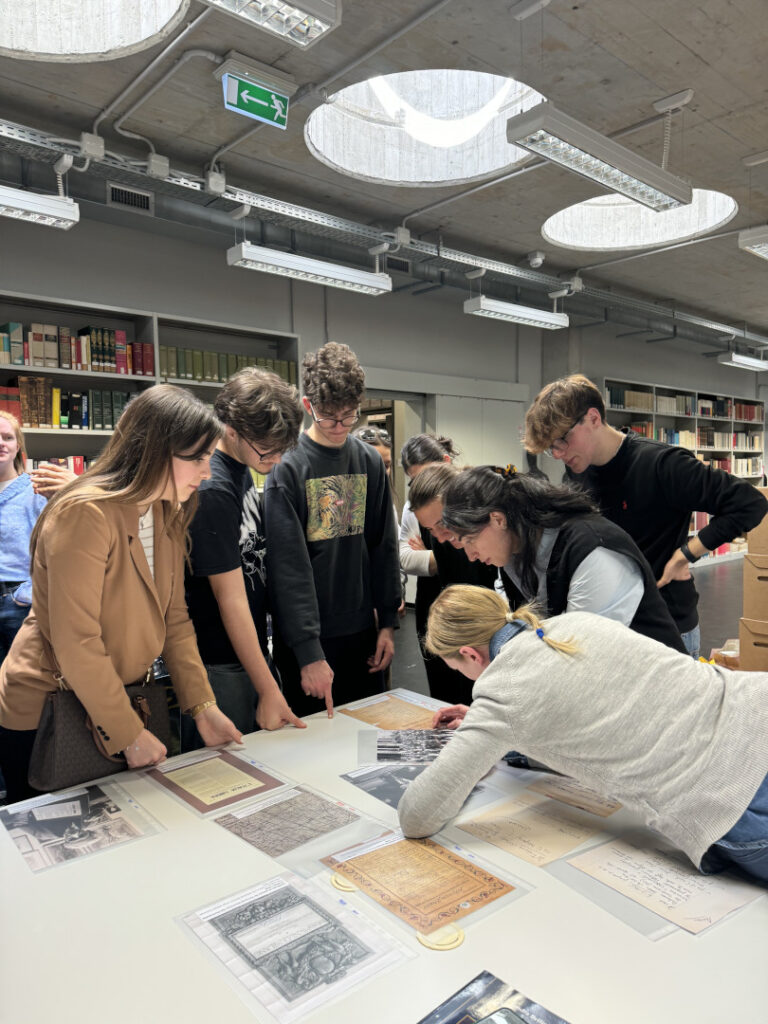
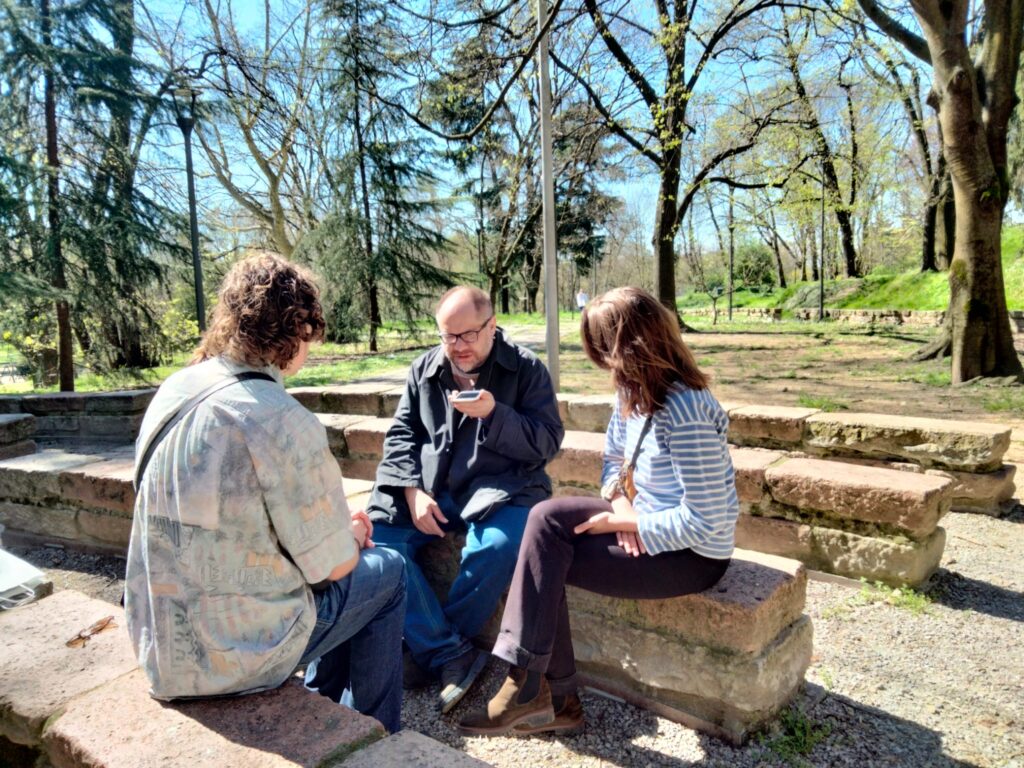
Our first day in Milan took us to two important sites of remembrance: the Casa della Memoria (House of Remembrance), where we explored the archives and met with a veterans’ association preserving the memory of resistance; and the Shoah Memorial in the Milan central station, a poignant site marking the deportation of the city’s Jewish population during WWII. Inspired by these visits, we created a video focused on the Casa della Memoria and recorded a podcast featuring interviews with educators from both institutions, discussing youth education on the subject of the war and its legacy.
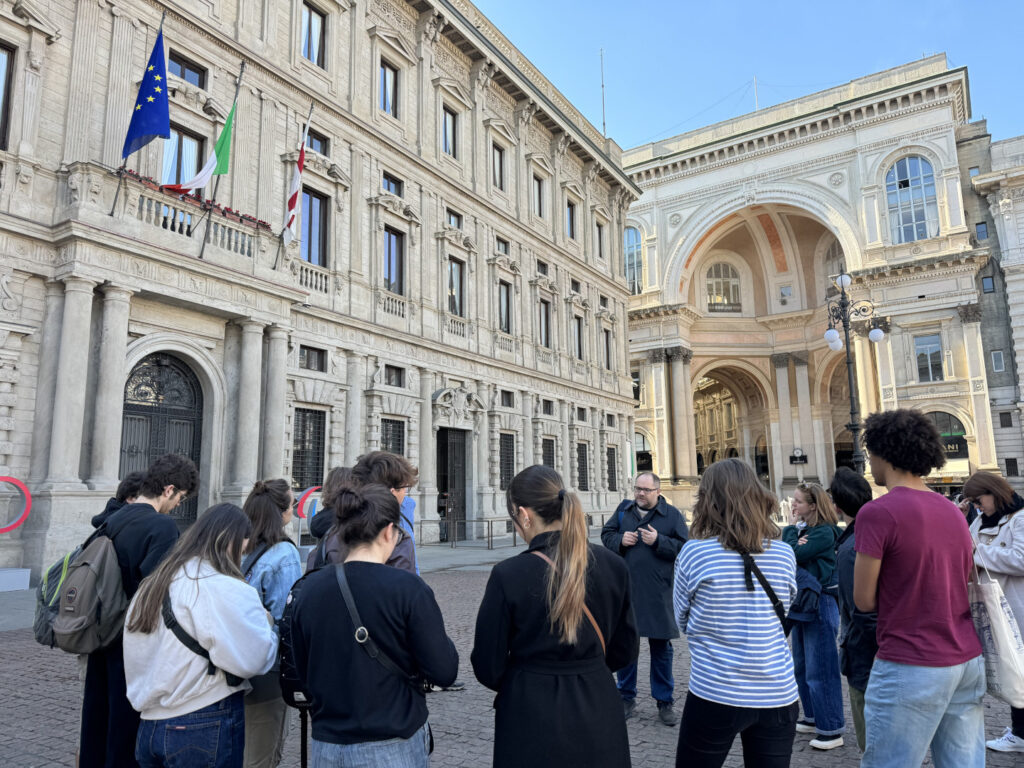
Milan’s streets became our classroom as we traced the footprints of WWII resistance. La Loggia dei Mercanti commemorates fallen partisans, while Piazzale Loreto marks a turning point with Mussolini’s execution. The Albergo Regina, infamous as “Hotel Gestapo,” revealed the brutal side of occupation. Our guide, historian Mirco Carrattieri, helped us understand how resistance took different forms in Italy and France. Our podcast and written stories capture these lessons.
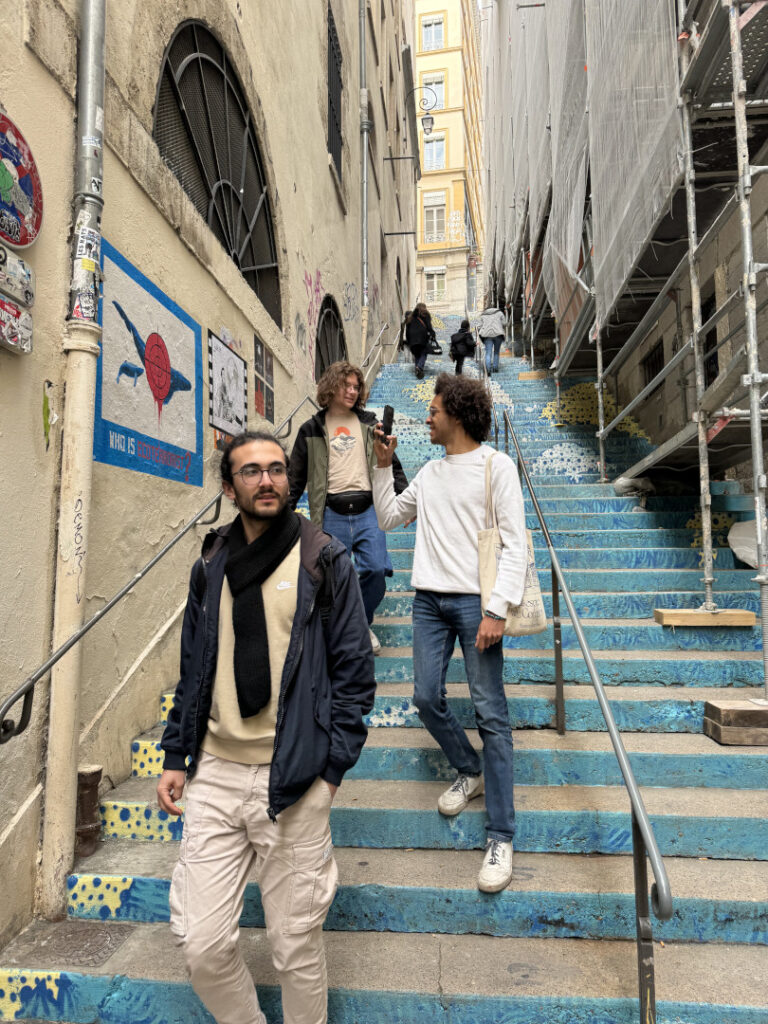
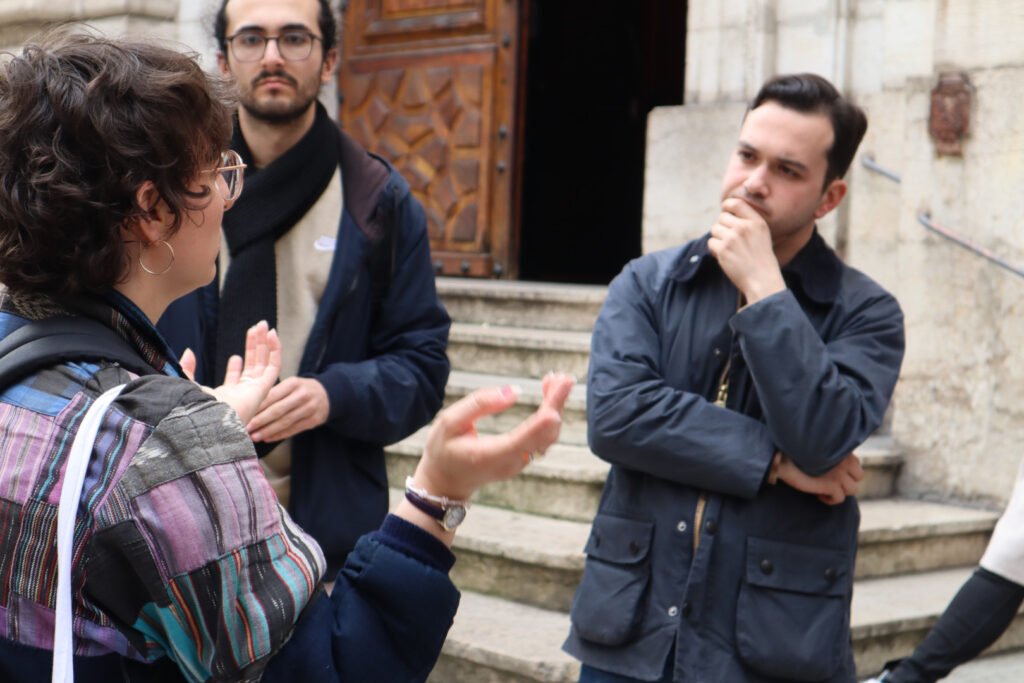
Crossing into France, we arrived in Lyon, the capital of French Resistance. Guided by local expert Charlotte, we walked through the Croix Rousse neighborhood and the secretive traboules, imagining how resistance members once met and moved around unseen. The stories of Jean Moulin and covert operations deepened our understanding of resistance under occupation.
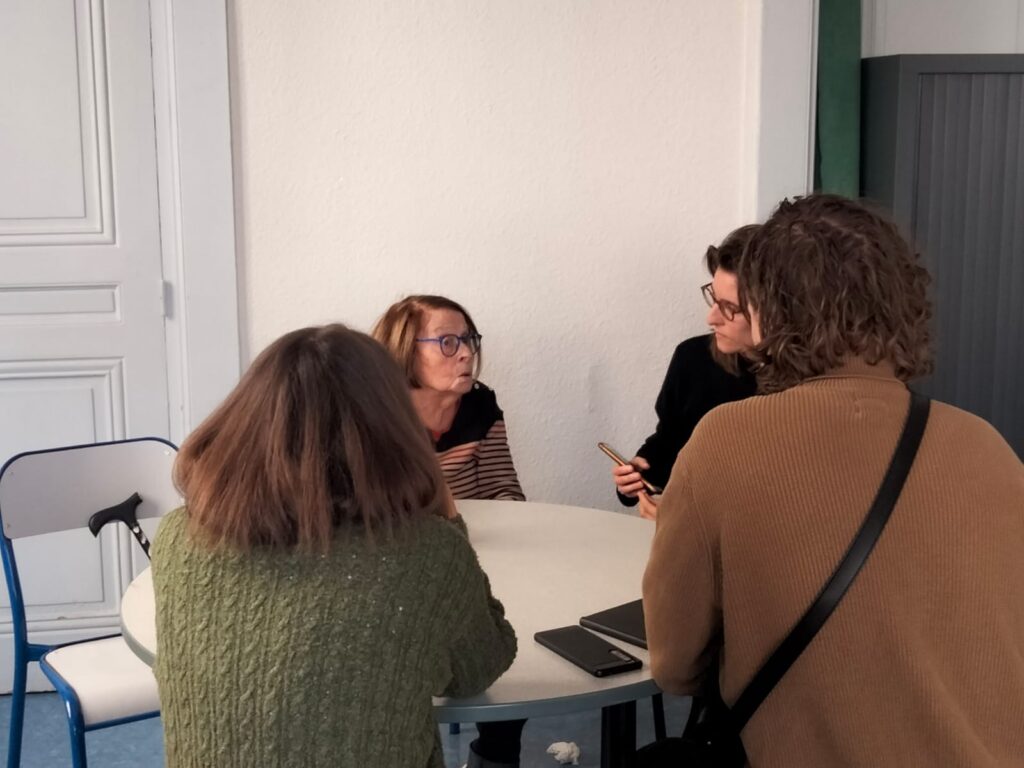
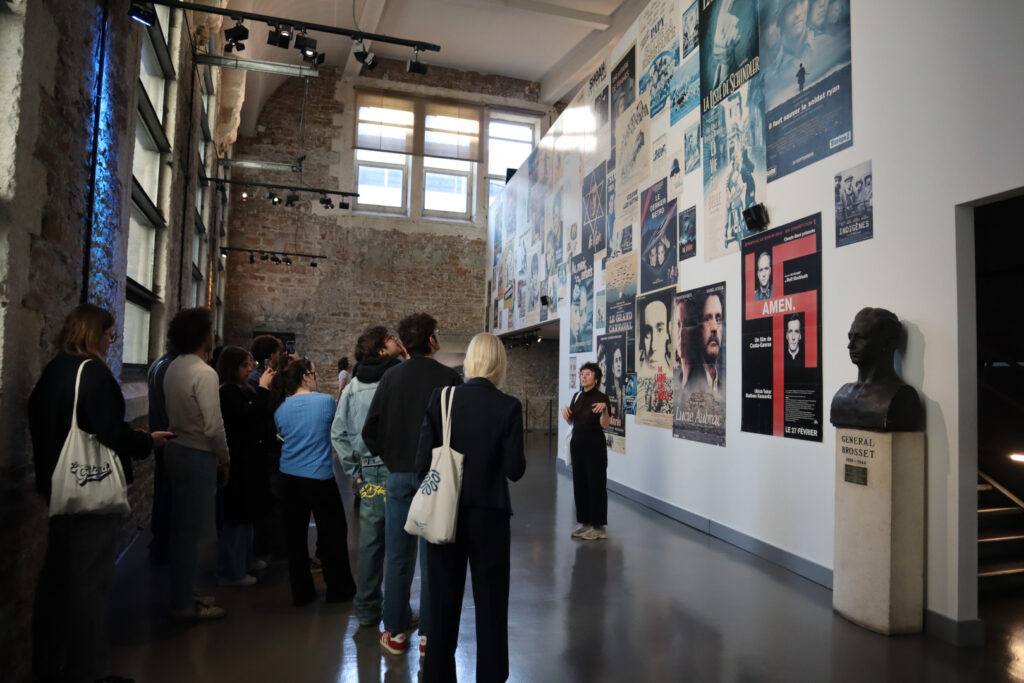
We explored the Resistance and Deportation History Centre in Lyon, located in a building once used by the Gestapo. Through its powerful exhibitions and testimonies, we understood the weight of Lyon’s past. Listening to the personal testimony of Hélène Akierman, who lived through the war as a hidden child, gave us the opportunity for deep reflection. She was also available for an interview, which was very valuable to us.
In the podcast we recorded, we reflect on the differences between the culture of remembrance and museum practices in France and Italy.