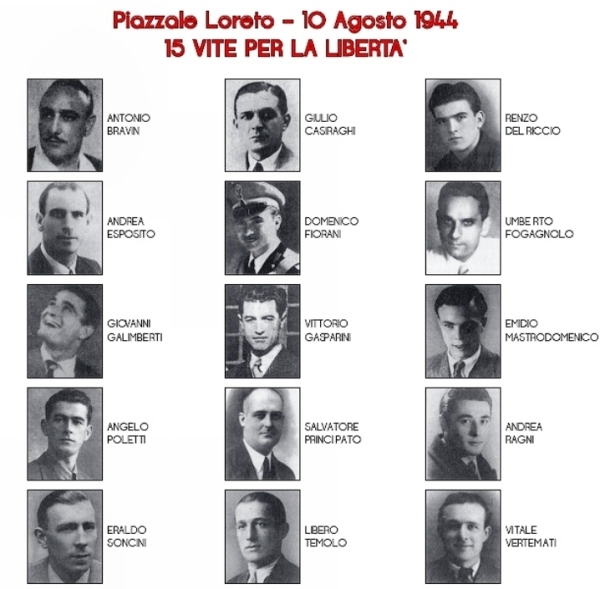
On August 10, 1944, fifteen partisans were publicly executed in Milan’s Piazzale Loreto by fascist forces in retaliation for a bombing. The brutal display was meant to terrorize civilians and punish the resistance.
On the morning of 8 August 1944, a bomb exploded beneath a Wehrmacht (German Army) truck parked just meters from a hotel serving as the German logistical command headquarters in Milan.
Six civilians were killed and ten more injured, though the exact numbers remain uncertain. The attack was never officially claimed by any resistance group, but the German authorities attributed it to local partisan formations. In response, they planned a brutal reprisal designed not only to punish the resistance, but also to intimidate the population.
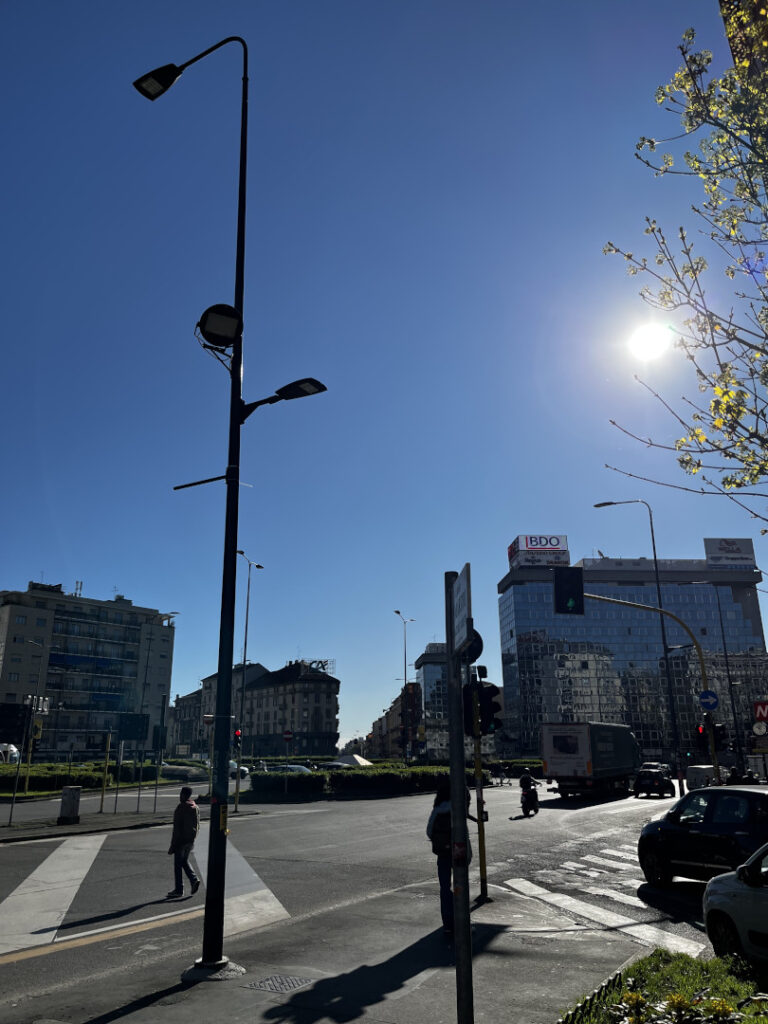
On 10 August 1944, fifteen partisans were taken from San Vittore prison, the largest in Milan, and brought to Piazzale Loreto, one of the city’s most prominent squares. Dressed in tracksuits, under the pretense of being deported for forced labor in Germany, they were instead crammed into a truck and driven to the square. There, they were executed by a firing squad composed of fascist militiamen from the Ettore Muti Legion, under the command of SS captain Theodor Saevecke.
The execution took place at dawn, while the square was still empty. After the murders, German forces arranged the bodies in a heap, placing a sign above them stating that they had been shot in retaliation.
The corpses remained exposed throughout the day. Axis soldiers reportedly laughed in front of the bodies, even as early morning workers began passing through the square. Shocked and horrified, people gathered to witness the scene. Any attempt by relatives or
citizens to honor the dead was forcefully stopped.
News of the massacre spread rapidly across the city and factories, drawing large, silent crowds. What began as an act of terror became a moment of collective mourning—and quiet resistance. The people of Milan responded with solemn dignity and outrage. According to later accounts, Mussolini, realizing the impact of the atrocity, is said to have muttered: ‘We will pay dearly for the blood of Piazzale Loreto.’