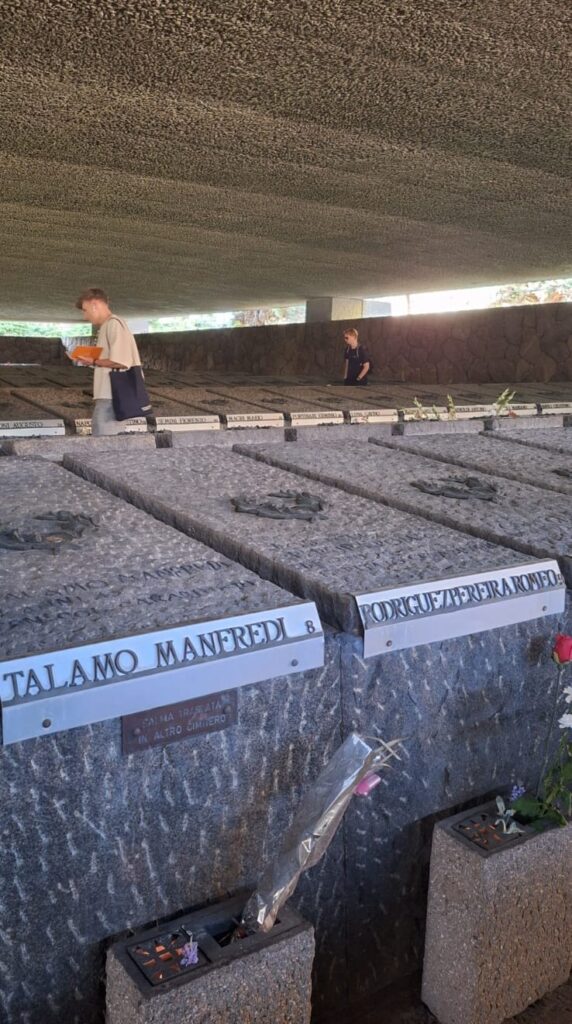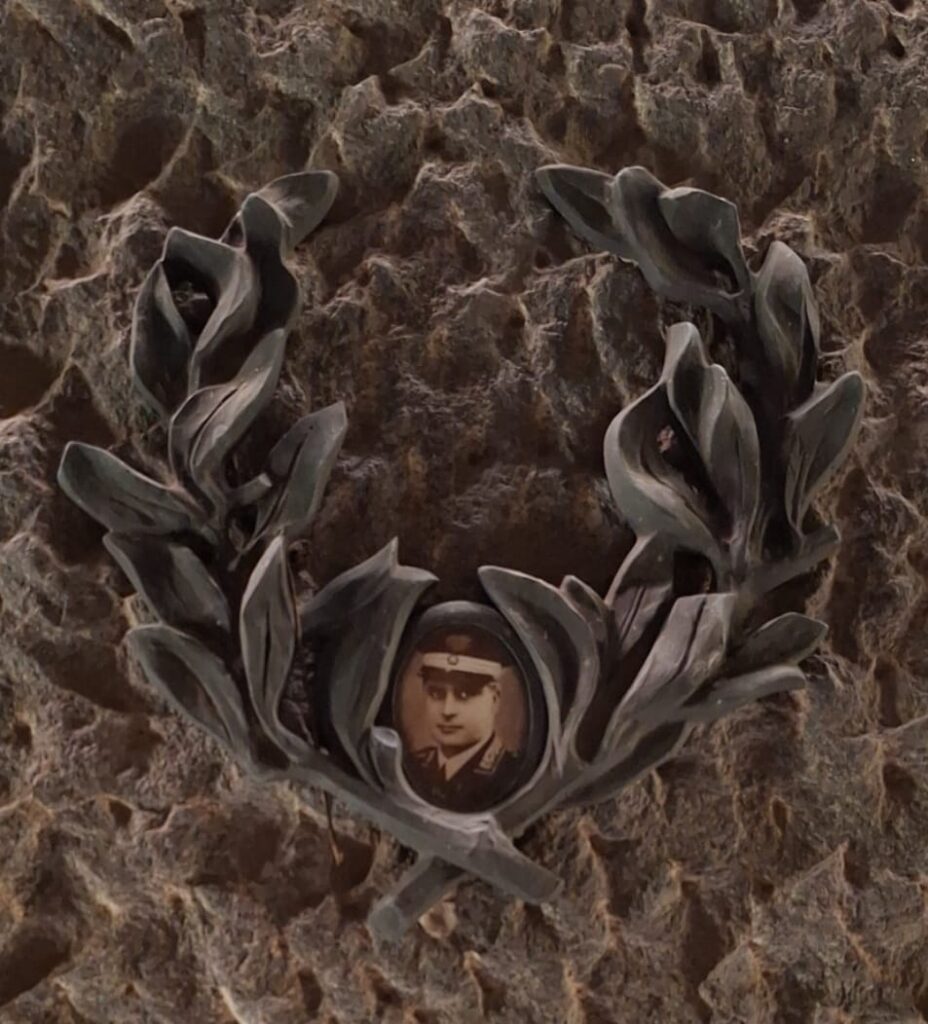
What did Romeo Rodriguez Pereira, Gaetano Forte and Genserico Fontana have in common? All of them were Italians, members of the Carabinieri corpse and victims of the Fosse Ardeatine massacre on 24 March 1944 in Rome.
As Carabinieri (an army in charge of police functions and law enforcement), these men embodied a unique but nevertheless essential part of the Roman resistance to the Nazis between the Armistice of Cassibile in September 1943 and the liberation of the city in June 1944.
On one hand, the Carabinieri participated vigorously in the defense of Rome, even though the historian Flavio Carbone underlined the fact that after the war, there were many controversies about the reality of the Carabinieri’s participation in the resistance. For instance, the Battaglione Allievi Carabinieri was a military corps composed of newly promoted young men who fought to defend the eternal city.
However, after the rendition of Rome to the Nazis, the Carabinieri had to choose between serving the occupiers and refusing it and even joining the resistance. In February 1944, General Filippo Caruso created the Fronte Clandestino di Resistenza dei Carabinieri (FCRC) to organise this specific community within the resistance. These partisans were a specific threat to the Nazi occupation as they were close to the civilians and then aware of privations and violences that it endured.
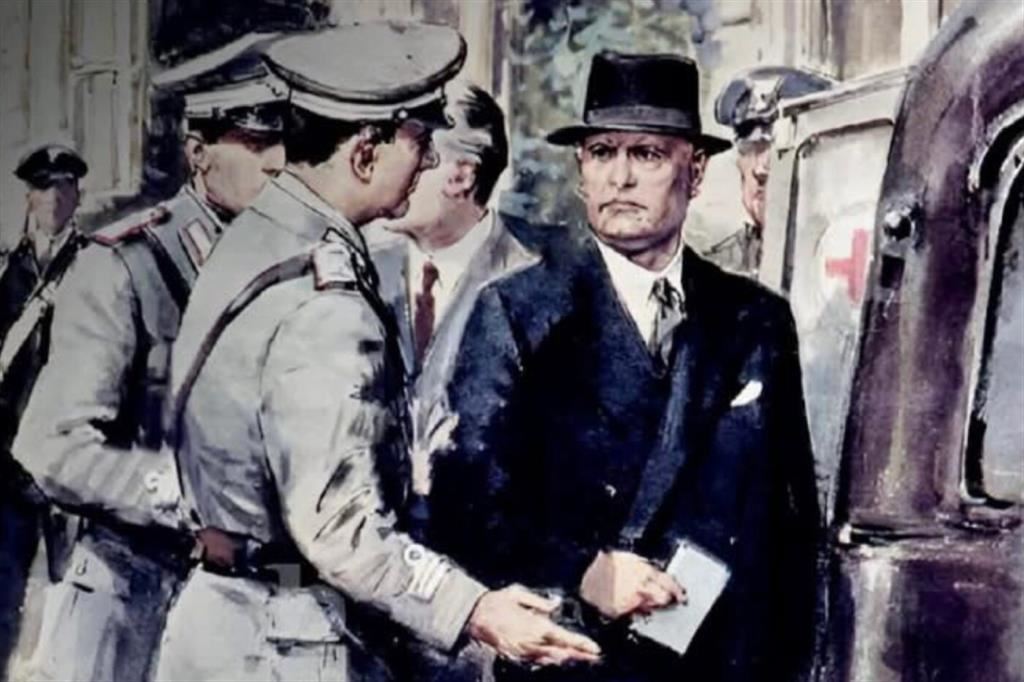
The Carabinieri’s loyalty to Mussolini was also questioned especially after three of them, Giovanni Frignani, Paolo Vigneri and Raffaele Aversa, arrested the Duce. Most notably, the Carabinieri were known as a military troop that could, in the case of a rebellion, organise themselves in a better way that popular guerilleros could do as they were not military trained.
In fact, Carabinieri helped the partisans and became partisans themselves since the beginning of the occupation as 55% of the carabinieri left the barrack, the others staying at the service of the occupant. Some of them used their position to warn partisans of Nazi roundups or avoided initiating legal procedures for acts considered terrorism.
For all of these reasons, Carabinieri were considered a major threat to Nazi occupiers, who decided to put them in jail (for instance in Via Tasso, Rome), kill them in reprisals like the three mentioned in the beginning of this paper or even deport them in lagers (about 2,000-2,500 Carabinieri were sent to camps).
Thus, the memory of the Carabinieri must be preserved as an important part of the Roman resistance, but also as the Italian one as Carabinieri from Naples, Milan or in Abruzzo.