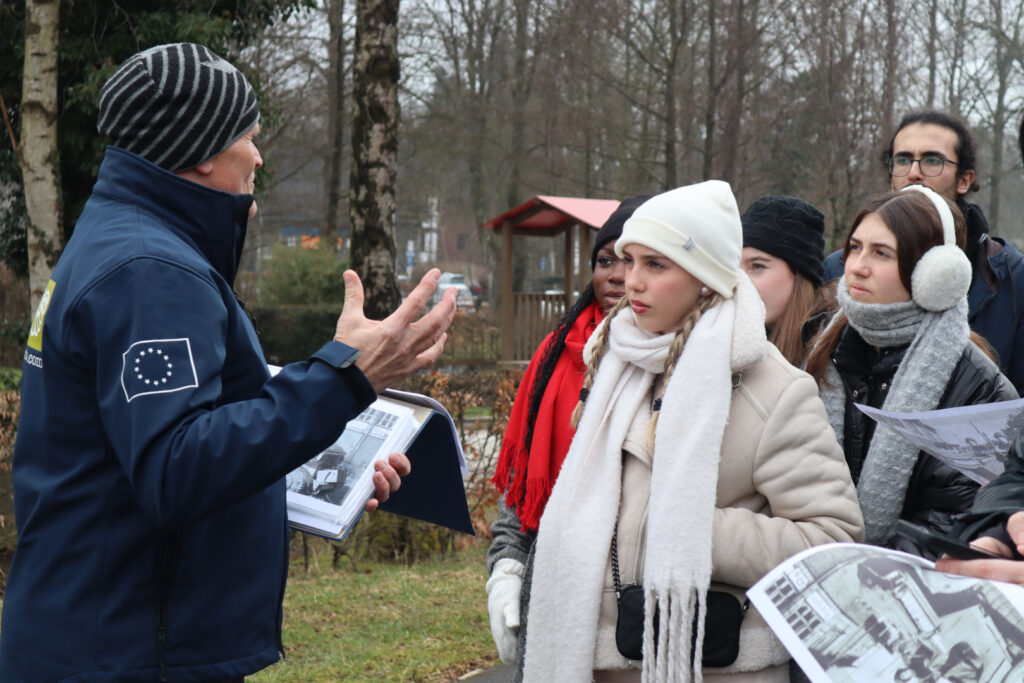
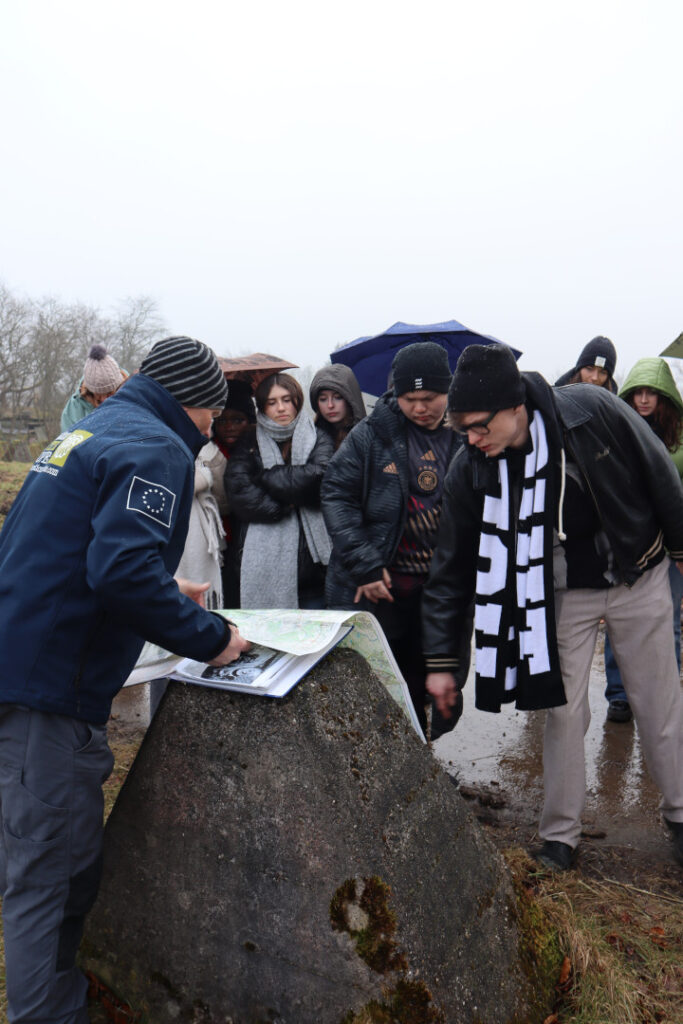
Our journey began in Aachen, Germany, where we explored the city’s World War II history. From there, we made our way to the first stop: Roetgen, a small village right at the border between Germany and Belgium, near the Hürtgen Forest. There, our guide Volker Lossner showed us the remnants of the Siegfried Line and explained what these tank fortifications meant for the defense of Germany. Roetgen is the location where U.S. American soldiers first set foot on German soil during the Second World War, the village was captured on 12 September 1944.
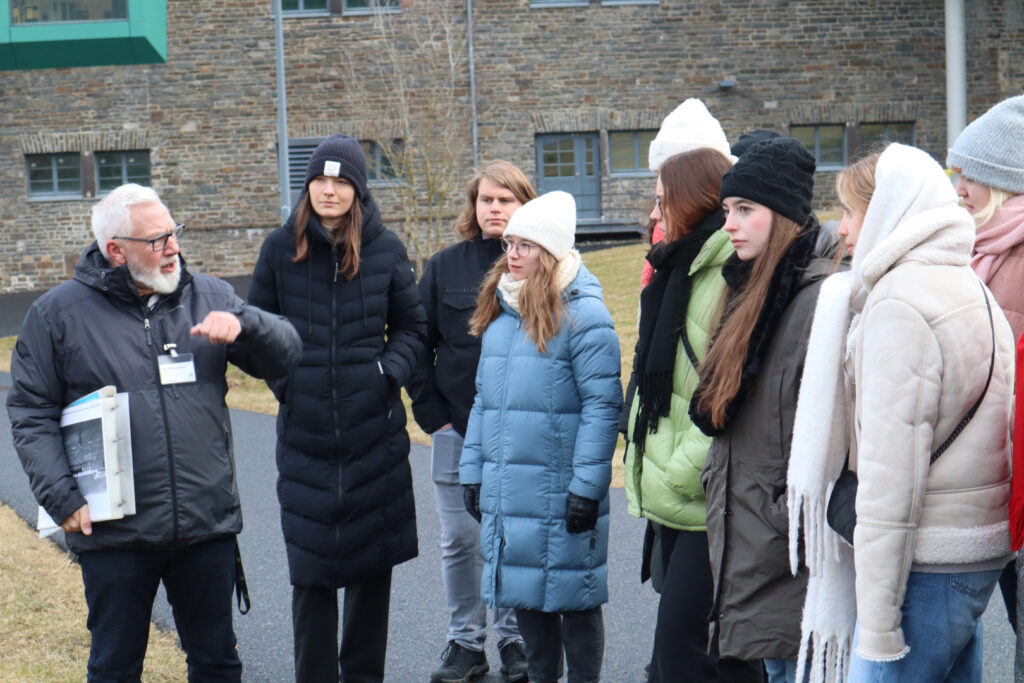
We spent the night at the youth hostel in Vogelsang International Place and had a guided tour of this former Nazi training site. From our tour guide, a retired Belgian military officer who was stationed here in the 1980s, we learned about its dark legacy and how places like this are now transformed into spaces of remembrance and education.
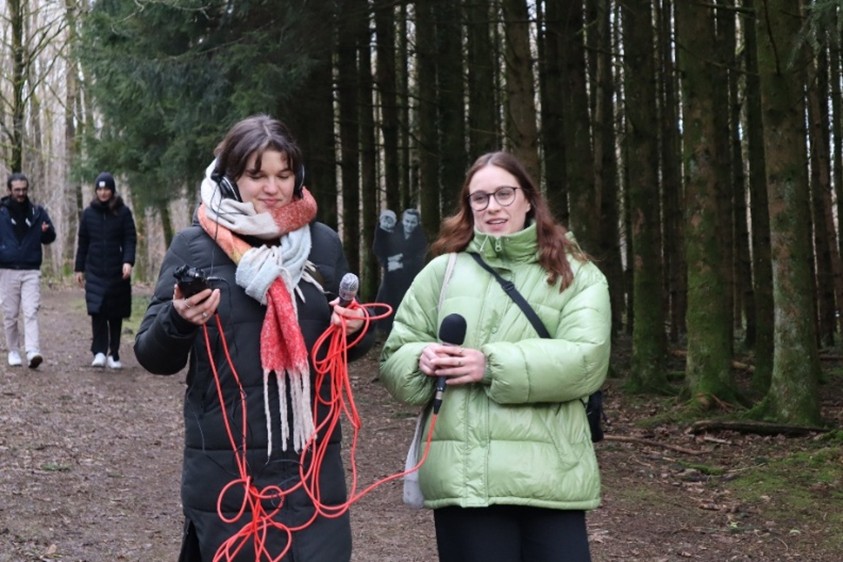
Crossing into Luxembourg, we visited the Centre Cinqfontaines, a former convent that was used as an internment centre for the Jewish population of Luxemburg during WWII. There, we recorded a podcast to share our reflections of this place.
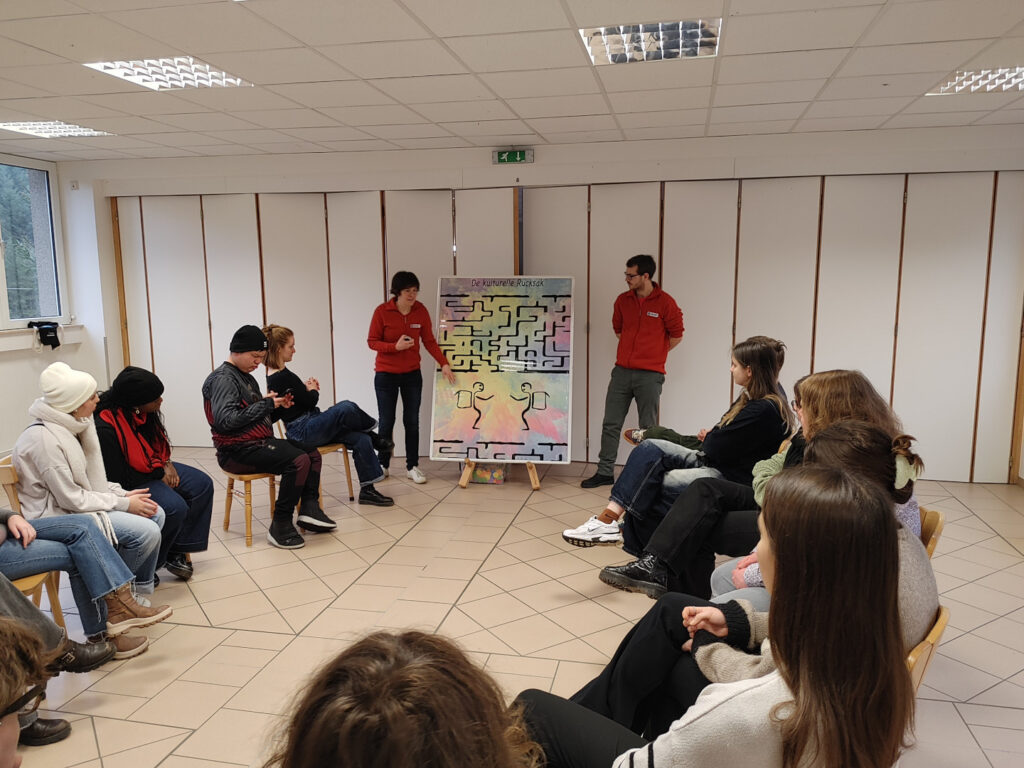
During a human values workshop titled ‘All different, all the same’, we connected the lessons of the past with today’s challenges. In depth, the workshop allowed us to reflect on each other’s similarities and differences.
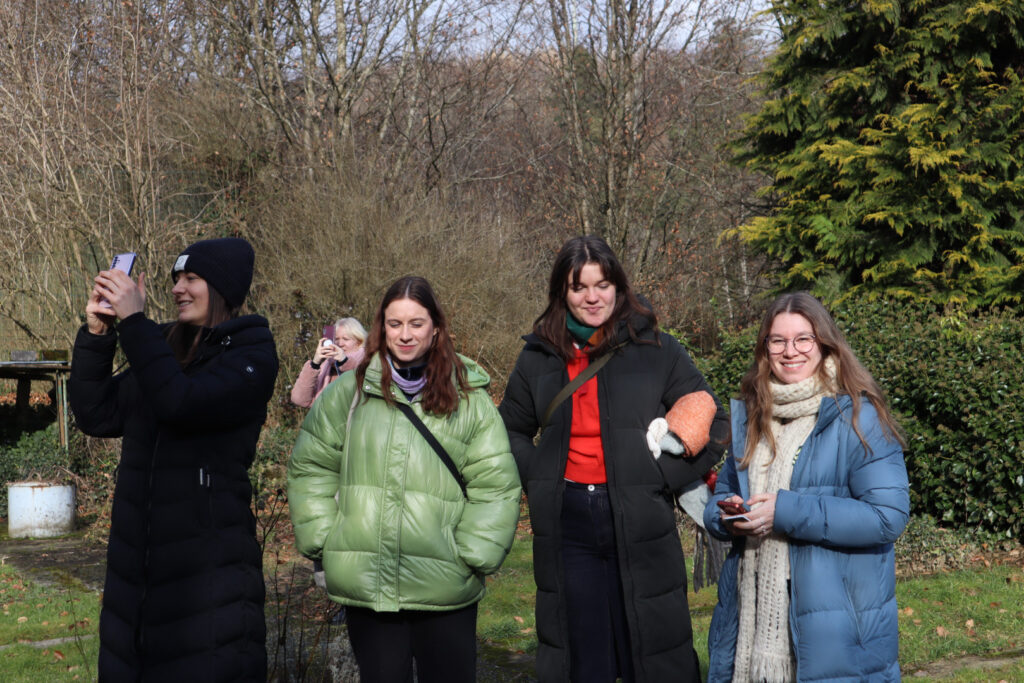
The next day, we followed the trail of history deeper into Luxembourg with a visit to the Schumann’s Eck Memorial Trail. We hiked the path lined with real testimonies from those who fought during the Battle of the Bulge, also known as the Ardennes Offensive (16 December 1944 to 28 January 1945). Along the forest path, the Liberation Route Europe Vector of Memory marks this historic site.
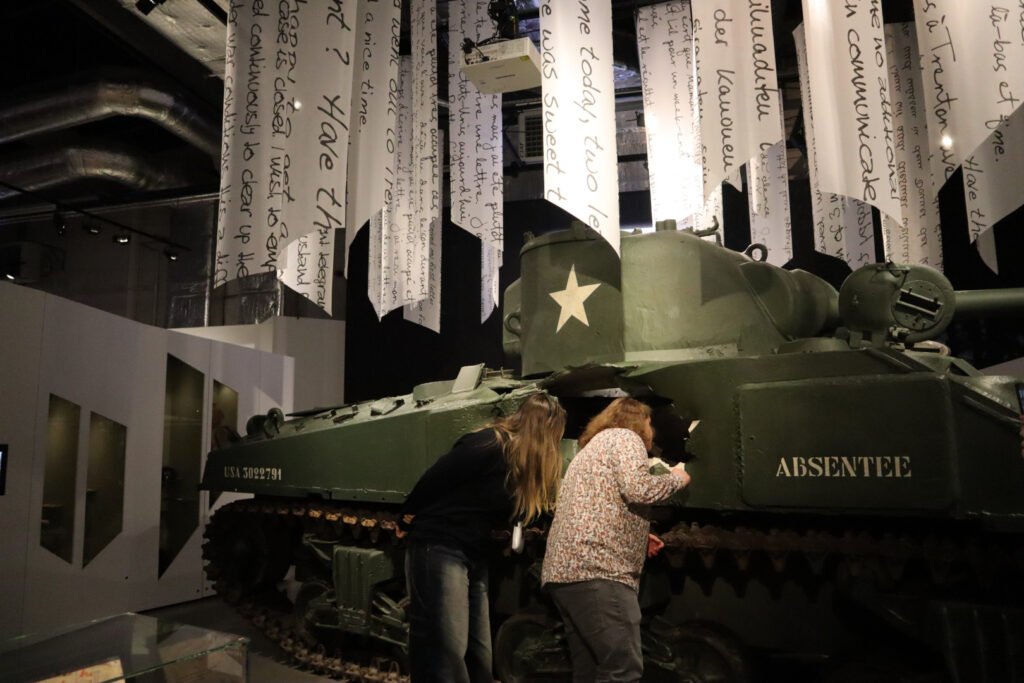
In Belgium, we explored the Bastogne War Museum, where interactive exhibits told the story of the famous siege of the city in December 1944. We captured our experience of this visit in the video below
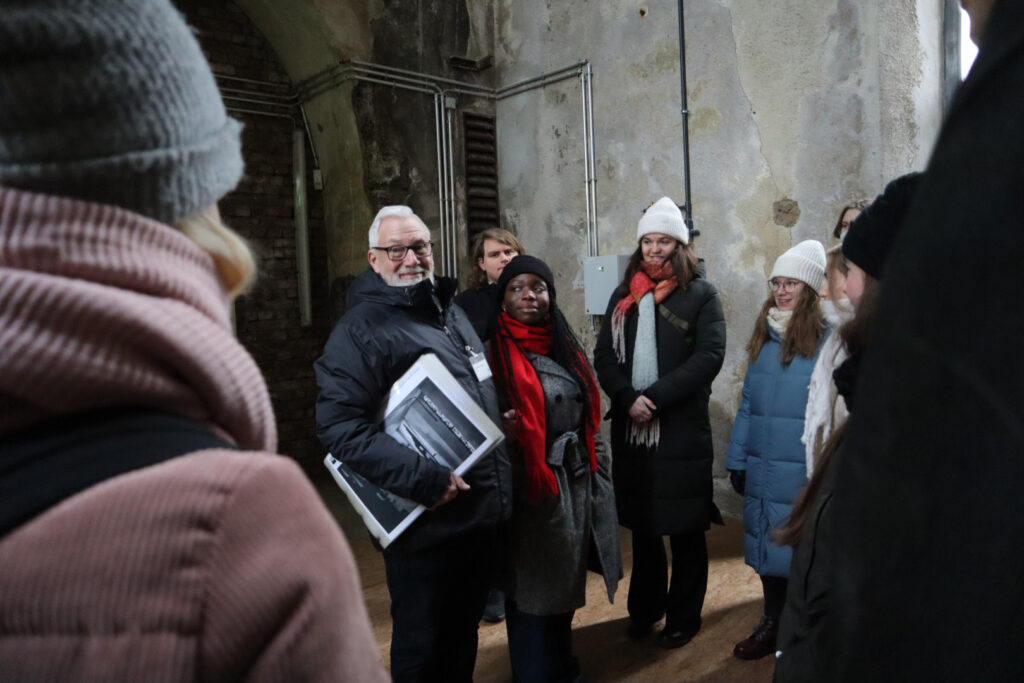
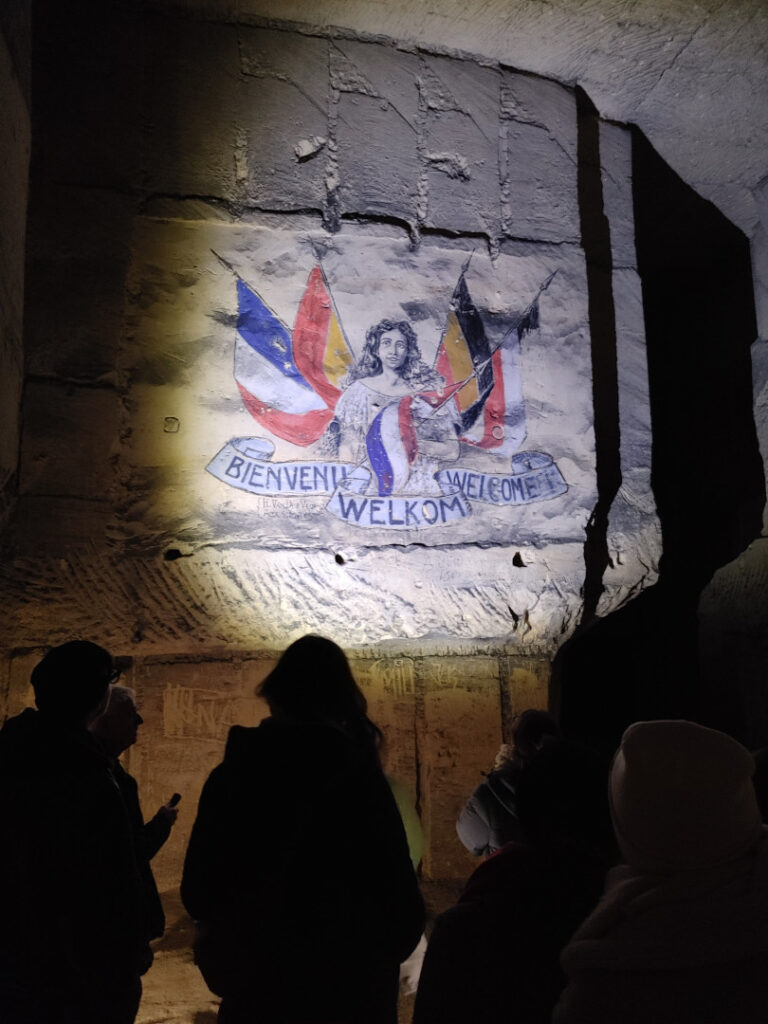
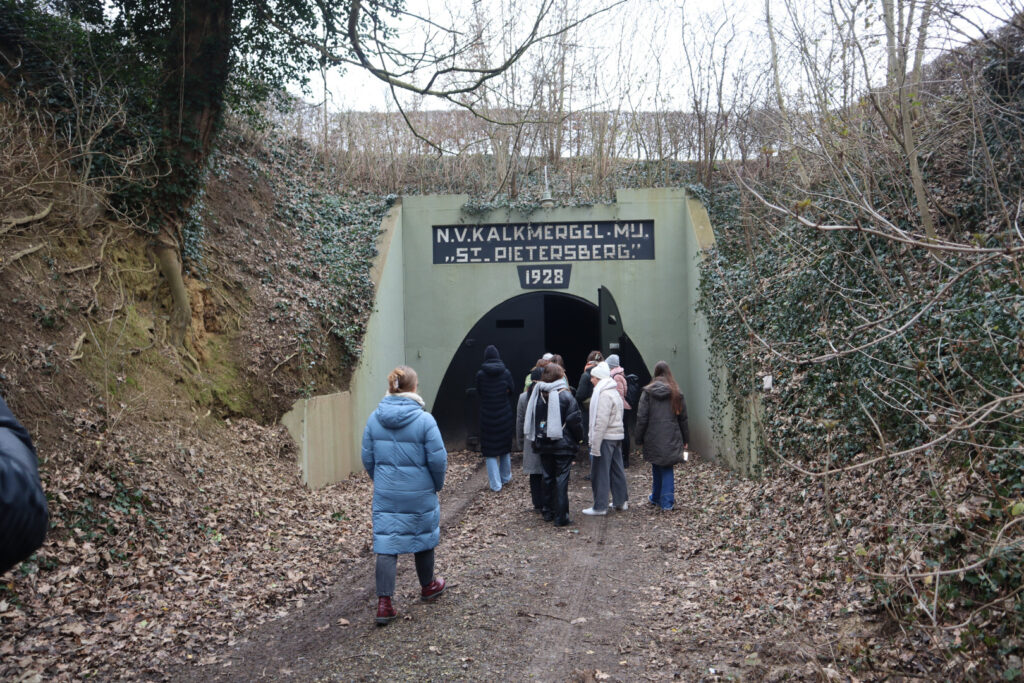
On our final day, we travelled north to Maastricht in the Netherlands. In the underground tunnels of the hills in the south of the city, we stood where a Rembrandt painting and other artworks had once been hidden by the German occupiers for safekeeping during the Allied air raids.
The tunnels were a large underground network in this border region, known by the local resistance, allowing them to communicate and share needed materials between Belgium and the Netherlands.