October 2025

From Poland to Berlin

At the end of October 2025, young Europeans from nine countries joined a five-day exchange focused on the border area between Poland and Germany, a region marked by the Soviet advance in five-day exchange focusing on the border area between Poland and. This region was marked by the Soviet advance during winter 1944 and spring 1945. From the Oder-Warta border region to the village of Seelow in Germany, the group then headed to Berlin, to learn about the strategic location of the capital.

Day 1

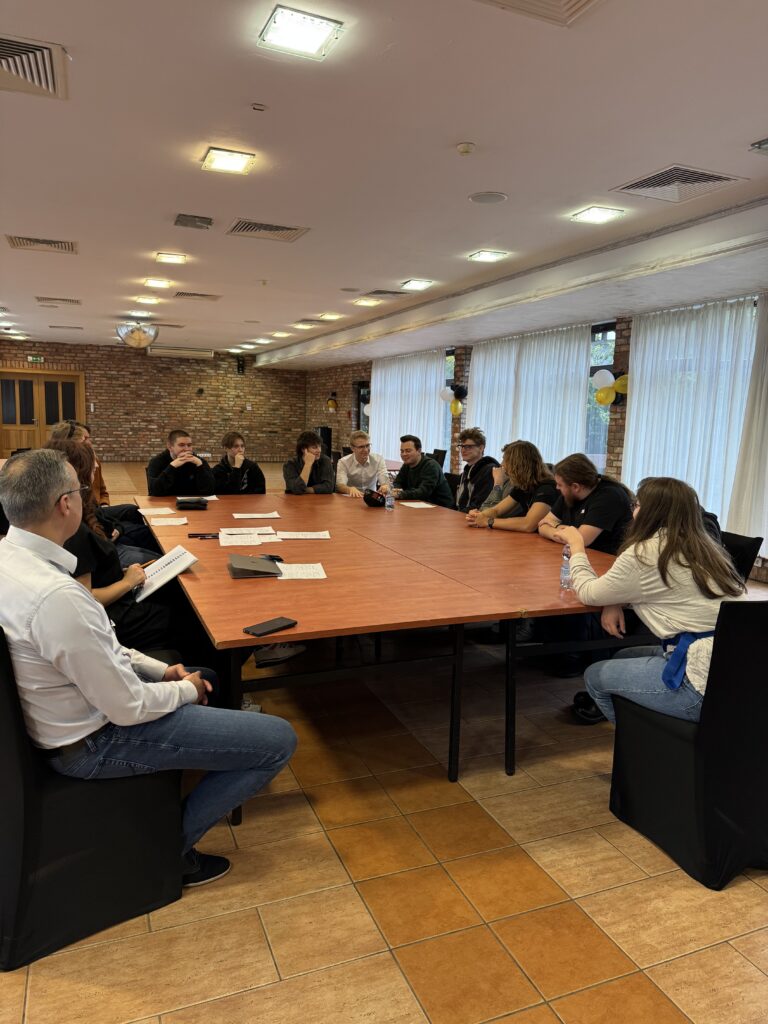
Our first day began with an introduction to the historical context of the Polish-German border region, which we would explore for one full week. We gathered in Kostrzyn nad Odrą, Poland, and were welcomed by Dirk Röder from LRE Germany. We got to know each other through fun icebreakers and learned about the content we were supposed to create during the week. 

Content from the Participants

Day 2

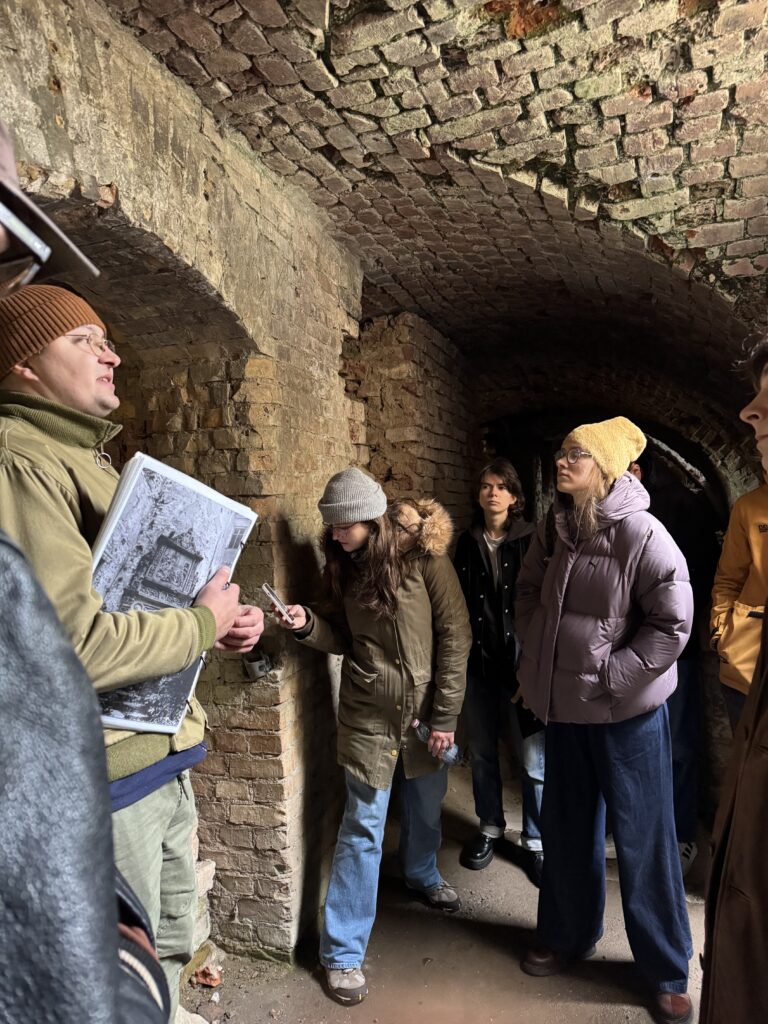
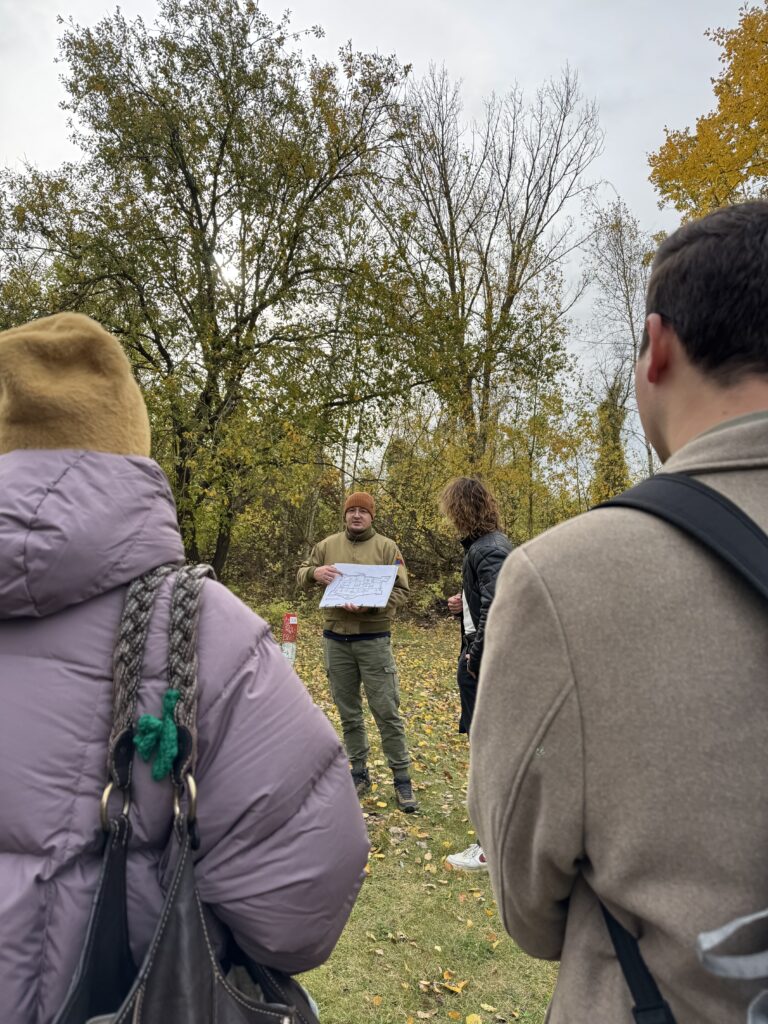
Wlearned more about Kostrzyn’s turbulent history during a guided walk through the ruins of the old town, showing us why it is known as “Pompeii on the Oder”. We were also able to visit the Kostrzyn Fortress Museum and the former Stalag III-C prisoner camp nearby. 

Content from the Participants

Day 3

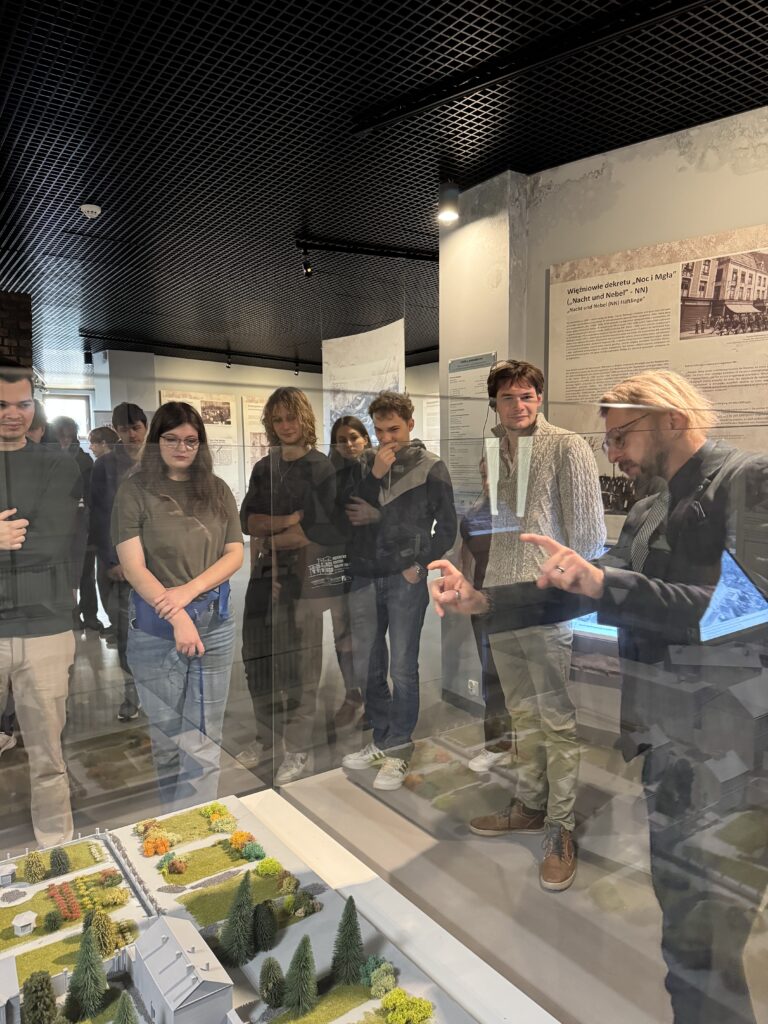
Still in Poland, we visited the Museum of Martyrdom in Słońsk (Sonnenburg until 1945). In the museum, we learned about the former heavy security prison and concentration camp that was located in the area. Its most famous prisoner was Carl von Ossietzky, a German journalist, dissident and Nobel Peace Prize laureate. 

Content from the Participants

Day 4

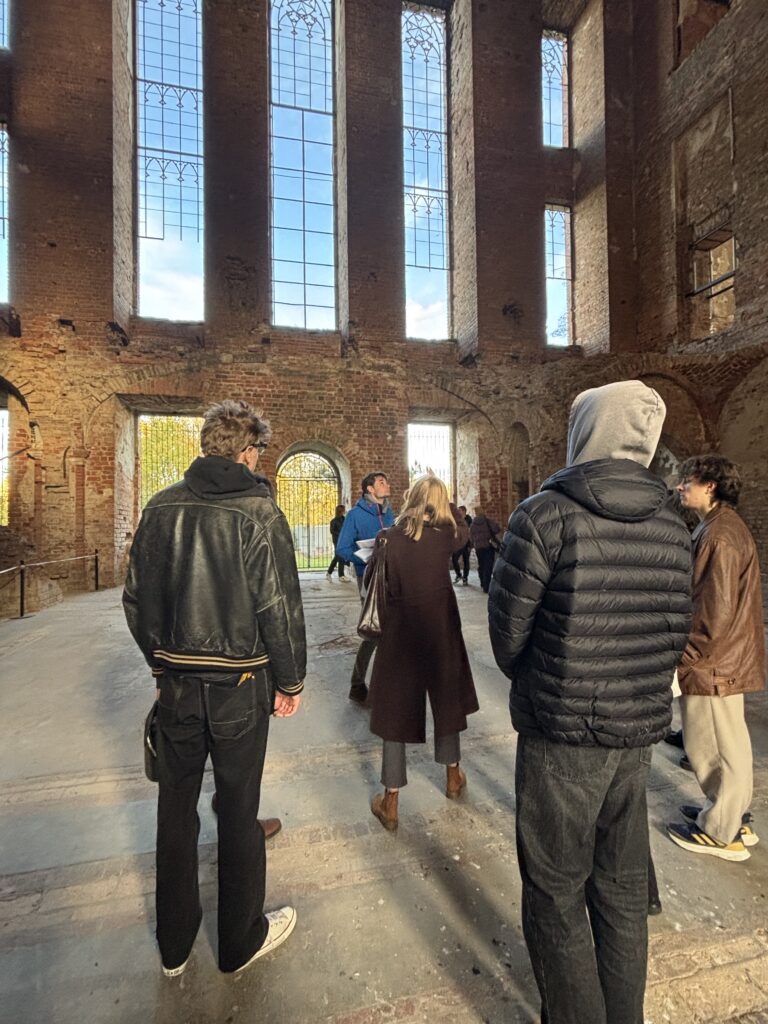
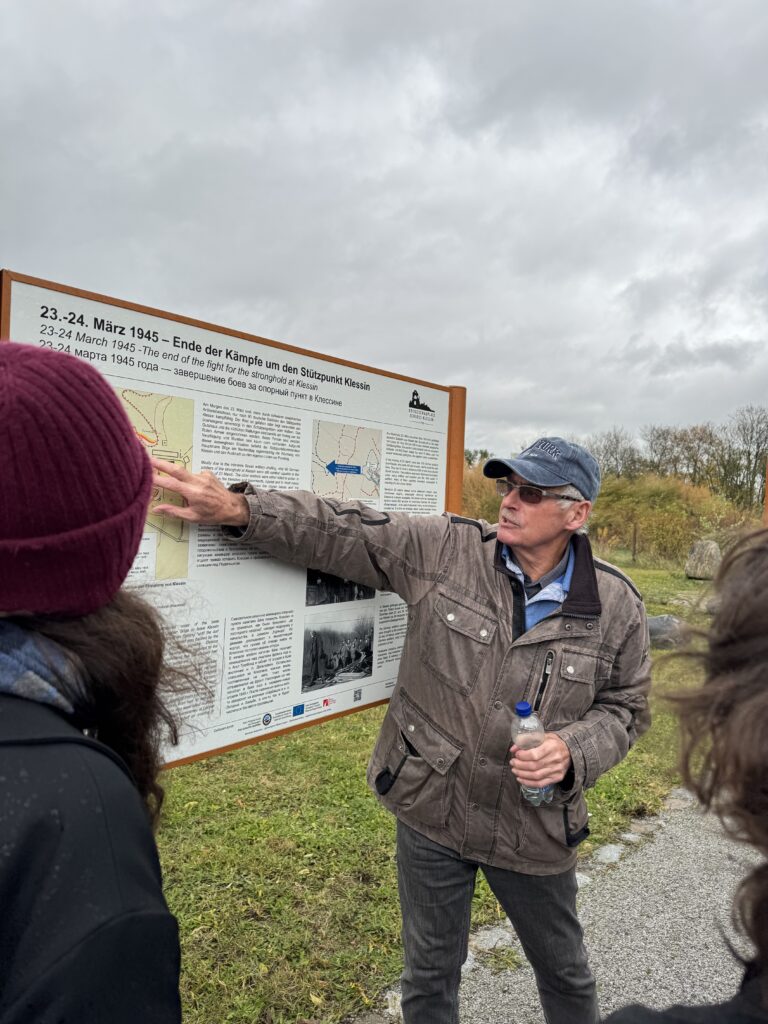
We left Poland for Germany on the other side of the border. In the German Brandenburg region we discovered the “Theatre of War Castle Klessin” memorial, a moving experience in a peaceful atmosphere, which made us understand the impact of war on the castle, which was used as a defense position. 

In the afternoon, we had the chance to visit the Seelow Heights Memorial that commemorates the biggest WWII battle on German soil (Battle of Seelow Heights: 16 to 19 April 1945). Learning about this bloody confrontation opened our perspective to the Eastern front of the Second World War. 
Day 5

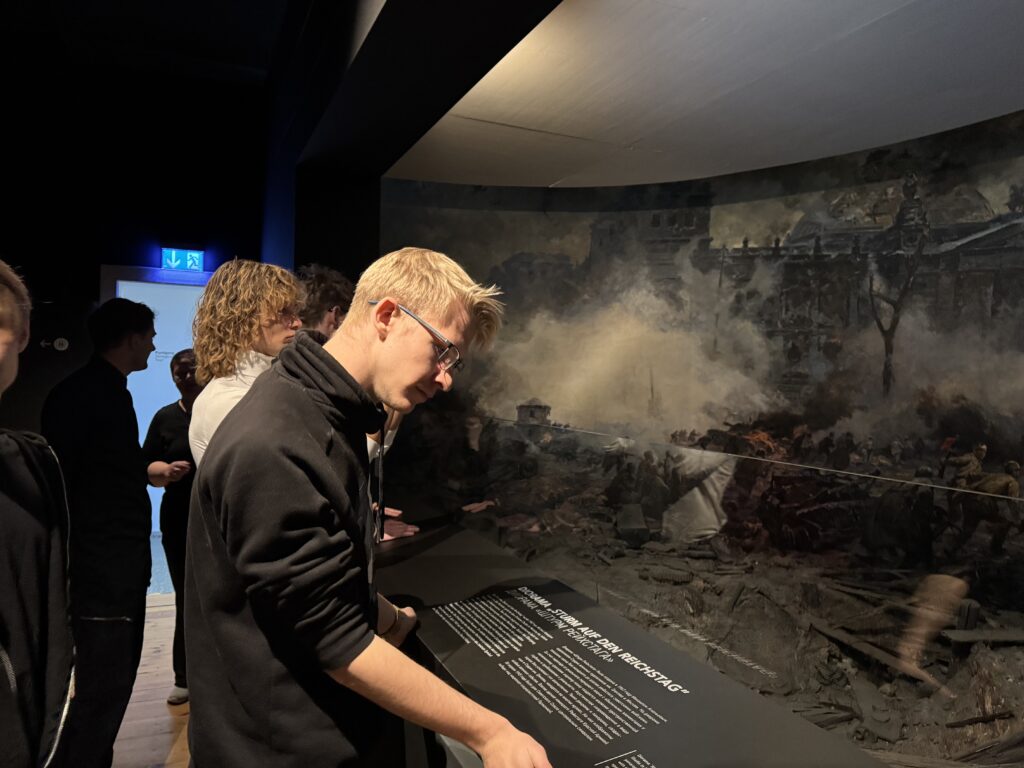
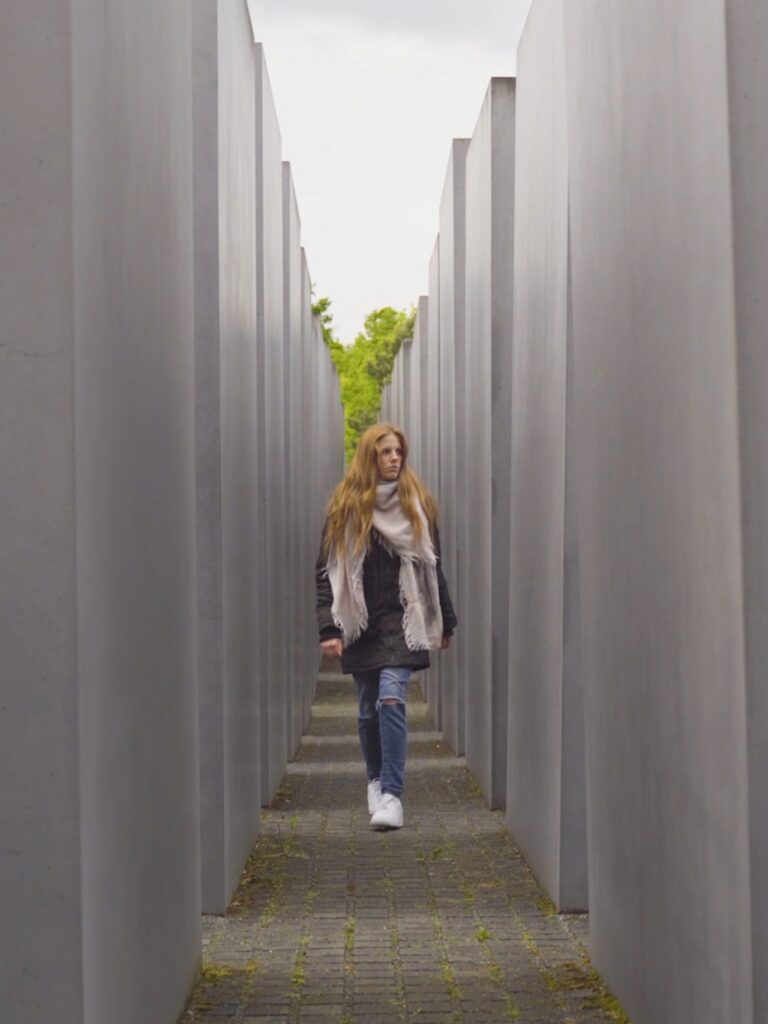
The last day of the exchange brought us to Berlin, where we had the chance to visit the Museum Berlin-Karlshorstlocated in the building where the remaining German leadership signed the declaration of surrender on 8 May 1945. The program concluded with a moment to share our reflections on the past days spent together and the opportunity to visit the German capital. 

Content from the Participants